

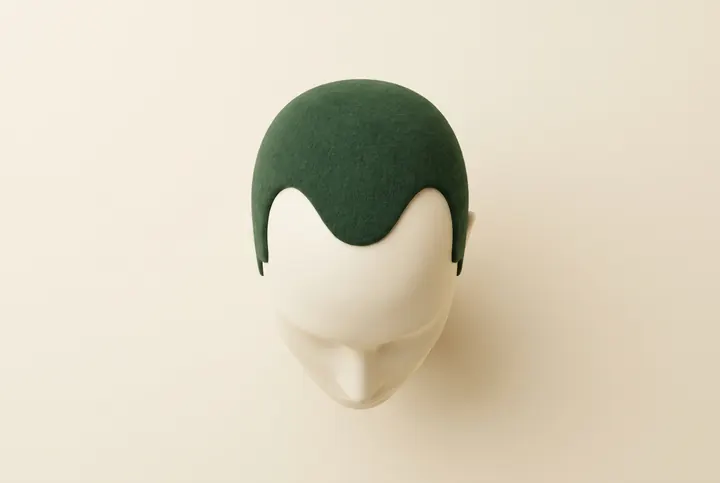
AI-generated image
DenceSpot Hair & Skin Care Clinic Now in Gurugram & Delhi
Hair transplant, PRP and hair-fall treatment, beard and eyebrow transplant, and skin and laser care. Every plan starts with a doctor examining you.
Our clinics Sector 39, Gurugram Rohini, Delhi
Image: AI-generated
- Examined by a doctorYour hair, scalp or skin, before any plan
- Two clinicsSector 39, Gurugram · Rohini, Delhi
- Written estimateItemised before any date is booked
- Opening hoursMon–Sun · 10:00 – 20:00
What brought you here
Start From the Concern, Not the Procedure
Different concerns need different answers. Pick what matches yours and the page will tell you honestly what the options are — including when the option is to wait.
Hair & scalp
4 concernsReceding hairline or thin crown
Temples going back or the crown showing through. Planned around your donor area and the loss still to come.
Sudden hair fall
Increased shedding needs a cause found first — thyroid, iron, stress or pattern loss.
Early thinning
Density dropping but no bald area yet. Often PRP and medical treatment rather than surgery.
Hair loss in women
Diffuse thinning and parting-line loss, worked up for hormonal and nutritional causes first.
Beard, skin & laser
4 concernsPatchy beard or brows
Gaps in the beard, thin sideburns or sparse eyebrows, filled with grafts at the right angle.
Acne and acne marks
Breakouts and the marks they leave, diagnosed before any product or procedure is suggested.
Pigmentation and melasma
Dark patches and uneven tone, with the cause and the triggers checked first.
Unwanted facial or body hair
Laser hair removal after a patch test, with hormonal causes looked at where they fit.
Treatments
Hair, Skin and Laser Treatments at Two Clinics
Every treatment starts with an examination. Choose the clinic nearer to you — Sector 39 in Gurugram, or Rohini in North-West Delhi.


Why patients choose DenceSpot
Doctor-Led Care, From the First Visit
At many hair and skin clinics the first conversation is with a counsellor and the treatment is carried out by technicians. At DenceSpot a doctor examines you first and explains the options — including when the answer is to wait — before anything is planned.
Examined by a doctor
Honest options
Written estimate
Two clinics, one approach
Our doctors
Meet the Doctors at DenceSpot
Every treatment starts with an examination by a doctor, who explains what is happening, what can help and what cannot, before anything is planned.

Dr. Nyra
MBBS, MD (Dermatology)
Owner & Chief Consultant
- Trained at Dr. D. Y. Patil Medical College
- 3 years of clinical work in Germany
- 8 years of experience
- Consults at Gurugram


Dr. Akash
- Trained at Universitätsmedizin Neumarkt a. M. Campus Hamburg (UMCH)
- 1-year fellowship in hair restoration, D. Y. Patil
- 10 years of experience
Medical content on this website is written or reviewed by Dr. Nyra · last reviewed August 2026.
What Patients Say on Google
Reviews load directly from our Google Business Profile, unedited and in the reviewer's own words. We ask every patient once at the ten-day follow-up, we do not screen who gets asked, and we do not offer anything in exchange.
Further reading
Guides Before You Decide
Patient education, written and medically reviewed by Dr. Nyra before publication.
Is There a Right Age for a Hair Transplant?
Why surgery in your early twenties carries particular risks, what a stable pattern of loss means, and why age matters less than donor supply and future loss.

Hair Transplant With Diabetes or High Blood Pressure: What Changes
Whether a hair transplant is possible with diabetes, high blood pressure or a heart condition, what is checked first, and which medicines need planning.

Gym, Smoking and Alcohol After a Hair Transplant: When and Why
When light walking, the gym, swimming, helmets, smoking and alcohol fit back into the recovery weeks, and the reasons behind each wait.
Next step
Book a Consultation
Leave a name and a phone number and the clinic will call you back. A doctor will examine you and tell you honestly what is likely to help and what is not — there is no charge to enquire and no pressure to book a treatment.
Suitability is determined after clinical assessment. This page is patient education and does not constitute medical advice.
Quick enquiry